
Korean Proverbs (속담)
Learn twelve well-known Korean proverbs (속담): their literal picture, their real meaning, and how to use them naturally in conversation.
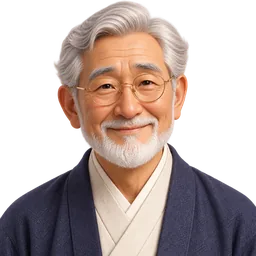 Professor Hangyeol · The history, culture and advanced expressions of Hangeul
What you will learn in this lesson
- Understand twelve common Korean proverbs and the images behind them
- Use a proverb naturally with -(이)라고, -듯이 and -다더니
- Know when a proverb sounds warm and when it may sound like criticism
Ah, proverbs! My grandmother never gave a long lecture. She would just say one short proverb, and the whole family would laugh and understand. Proverbs are the wisdom of farmers, mothers and grandfathers, packed into a single sentence. Let us open that package together.
What is a 속담?
A 속담 is a traditional saying that teaches a lesson through a simple picture from daily life: cows and barns, horses and mice, rice cakes and mountains. Most Korean proverbs come from village life in the old days, so the images are about farming, food, animals and family.
Koreans use proverbs in conversation, in news columns, in advertisements and in TV dramas. They also appear often in the TOPIK reading section. Understanding a proverb has two steps: first see the literal picture, then find the real meaning behind it.
One caution: some proverbs point out someone’s mistake. Saying them to an older person or a boss can sound like criticism. With friends, or about yourself, they sound warm and humorous.
Proverbs about words and speech
- 가는 말이 고와야 오는 말이 곱다. ganeun mari gowaya oneun mari gopda. Literally: The words that go out must be kind for the words that come back to be kind. Meaning: If you speak kindly to others, they will speak kindly to you. Used to remind someone to be polite first.
- 낮말은 새가 듣고 밤말은 쥐가 듣는다. nanmareun saega deutgo bammareun jwiga deunneunda. Literally: Birds hear words spoken by day, and mice hear words spoken at night. Meaning: Be careful what you say; someone is always listening. Often said before or after sharing gossip.
- 발 없는 말이 천 리 간다. bal eomneun mari cheon ri ganda. Literally: Words without feet travel a thousand ri. Meaning: Rumors spread very far and fast, so be careful with words. 말 here means 'words'. 리 (里) is an old unit of distance.
Proverbs about effort and cooperation
- 백지장도 맞들면 낫다. baekjijangdo matdeulmyeon natda. Literally: Even a sheet of paper is better when two people lift it together. Meaning: Any task is easier when people help each other. A friendly way to offer help: 같이 하자.
- 고생 끝에 낙이 온다. gosaeng kkeute nagi onda. Literally: At the end of hardship, joy comes. Meaning: After difficult times, good times follow. Used to encourage someone who is struggling.
- 티끌 모아 태산. tikkeul moa taesan. Literally: Collect specks of dust and you get a great mountain. Meaning: Small things add up to something big. Very common when talking about saving money.
- 하늘이 무너져도 솟아날 구멍이 있다. haneuri muneojyeodo sosanal gumeongi itda. Literally: Even if the sky falls, there is a hole to escape through. Meaning: There is always a way out, even in the worst situation. A comforting proverb.
Here is one I said to myself many times as a young teacher: 원숭이도 나무에서 떨어진다. Even experts make mistakes. It comforted me then, and I hope it will comfort you when your Korean does not come out perfectly.
Ad
Proverbs about mistakes and habits
- 소 잃고 외양간 고친다. so ilko oeyanggan gochinda. Literally: Fix the barn after losing the cow. Meaning: Taking action too late, after the damage is already done. Can sound critical. Be careful using it about other people’s problems.
- 원숭이도 나무에서 떨어진다. wonsungido namueseo tteoreojinda. Literally: Even monkeys fall from trees. Meaning: Even an expert can make a mistake. Kind and comforting.
- 세 살 버릇 여든까지 간다. se sal beoreut yeodeunkkaji ganda. Literally: A habit from age three lasts until eighty. Meaning: Habits formed when young are very hard to change. Often used about children’s education.
- 누워서 떡 먹기. nuwoseo tteok meokgi. Literally: Eating rice cake while lying down. Meaning: Something very easy. Often used as 누워서 떡 먹기예요.
One more about food and priorities
- 금강산도 식후경. geumgangsando sikugyeong. Literally: Even Geumgangsan (Diamond Mountain) is sightseeing after a meal. Meaning: Nothing is enjoyable on an empty stomach; let’s eat first. 食後景: after-meal view. Used with a smile when someone is hungry.
Three natural ways to bring a proverb into your own sentence.
- -(이)라고 (as they say): 백지장도 맞들면 낫다고, 같이 하니까 금방 끝났어요.
- -듯이 / -다는 말처럼 (just like the saying): 가는 말이 고와야 오는 말이 곱다는 말처럼 ...
- -다더니 (they say ..., and indeed): shows that the proverb came true in your situation.
- 티끌 모아 태산이라고, 매일 조금씩 저축했더니 꽤 많이 모였어요. tikkeul moa taesanirago, maeil jogeumssik jeochukaetdeoni kkwae mani moyeosseoyo.As they say, small things add up. I saved a little every day, and it became quite a lot.
- 낮말은 새가 듣고 밤말은 쥐가 듣는다더니, 그 이야기가 벌써 다 퍼졌네요. nanmareun saega deutgo bammareun jwiga deunneundadeoni, geu iyagiga beolsseo da peojyeonneyo.They say someone is always listening, and sure enough, that story has already spread everywhere.
- 고생 끝에 낙이 온다고 하잖아요. 조금만 더 힘내세요. gosaeng kkeute nagi ondago hajanayo. jogeumman deo himnaeseyo.You know what they say: after hardship comes joy. Please keep going a little longer.
- 이 문제는 저한테는 누워서 떡 먹기예요. i munjeneun jeohanteneun nuwoseo tteok meokgiyeyo.This problem is very easy for me.
Proverbs in conversation
Check quiz
Q1. Which proverb means "acting too late, after the damage is done"?
Q2. Your friend is struggling with exam preparation. Which proverb is encouraging?
Q3. What does 누워서 떡 먹기 describe?
Q4. Complete the proverb: 가는 말이 고와야 ___
Q5. Which proverb is safest to say to comfort a boss who made a small mistake?
Q6. What is the image in 백지장도 맞들면 낫다?
Well done, my friend. Choose your favorite proverb today and use it once this week, with a friend or in your diary. When a Korean hears you use a proverb at the right moment, you will see a big smile. That smile is worth more than a perfect test score.
Key points
- A 속담 teaches a lesson through a simple picture from village life.
- Understand the literal picture first, then the real meaning.
- Bring proverbs into sentences with -(이)라고, -다는 말처럼 and -다더니.
- Some proverbs (like 소 잃고 외양간 고친다) can sound critical; use gentle ones with seniors.
Recommended official free resources
- Standard Korean Dictionary (proverb search) — National Institute of Korean Language
- Korean Basic Dictionary (multilingual) — National Institute of Korean Language
Ad