
Written Style: -다/-는다 and -(으)며
Learn the plain written style of Korean (-다/-ㄴ다/-는다), the linking endings -(으)며 and -(으)나, -고자, and nominalization with -(으)ㅁ and -기.
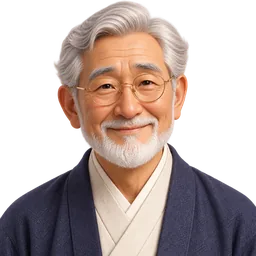 Professor Hangyeol · The history, culture and advanced expressions of Hangeul
What you will learn in this lesson
- Change any verb, adjective or 이다 sentence into the plain written style
- Link clauses in writing with -(으)며 and -(으)나
- Express purpose in formal writing with -고자
- Turn clauses into nouns with -(으)ㅁ and -기 and know where each one is used
Welcome, my friend. When I was a young student, my teacher told me, "Speaking is like walking, but writing is like wearing a suit." Today we will put on that suit together. Korean has a special style for newspapers, books, essays and reports, and once you know it, a whole new library opens for you.
Why Korean has a written style
In conversation, Koreans almost always choose an ending that shows their relationship with the listener: -아요/어요 for polite talk, -습니다 for formal talk, and so on. But a book or a newspaper article has no single listener. It speaks to everyone at once. For this reason, written Korean uses a neutral, plain style that does not show respect or closeness to anyone.
This plain style is often called the -다 style (해라체 in Korean grammar). You see it in novels, news articles, academic papers, diaries, essays and the TOPIK writing test. It is not rude in writing. It is simply impersonal. However, if you use it while speaking to a real person, it sounds like casual speech to a younger person, so keep it on paper.
The forms are not difficult, but there are three different rules: one for action verbs, one for adjectives, and one for 이다. Let us look at them one by one.
Plain written present tense for action verbs.
- Stem ends in a vowel: add -ㄴ다 (가다 → 간다, 마시다 → 마신다).
- Stem ends in a consonant: add -는다 (먹다 → 먹는다, 읽다 → 읽는다).
- Stem ends in ㄹ: drop ㄹ and add -ㄴ다 (살다 → 산다, 만들다 → 만든다).
- Past and future do not change by verb type: -았다/었다 (갔다, 먹었다) and -겠다 or -(으)ㄹ 것이다 (가겠다, 갈 것이다).
- 나는 매일 아침 신문을 읽는다. naneun maeil achim sinmuneul ingneunda.I read the newspaper every morning.
- 그는 서울에서 혼자 산다. geuneun seoureseo honja sanda.He lives alone in Seoul.
- 학생들은 점심시간에 운동장에서 공을 찬다. haksaengdeureun jeomsimsigane undongjangeseo gongeul chanda.The students kick a ball in the playground at lunchtime.
- 어제는 하루 종일 비가 내렸다. eojeneun haru jongil biga naeryeotda.It rained all day yesterday.
Adjectives and 이다 keep their dictionary form in the plain present tense.
- Adjectives do not take -는다: 크다 → 크다, 좋다 → 좋다, 바쁘다 → 바쁘다.
- 있다 and 없다 behave like adjectives here: 시간이 있다, 돈이 없다.
- 이다 stays 이다 after a consonant (학생이다). After a vowel, writers often shorten it to -다 (의사다), but 의사이다 is also correct.
- The negative of 이다 is 아니다: 그것은 사실이 아니다.
- 이 도시의 겨울은 매우 춥다. i dosiui gyeoureun maeu chupda.Winters in this city are very cold.
- 그 문제는 생각보다 복잡하다. geu munjeneun saenggakboda bokjapada.That problem is more complicated than it seems.
- 한글은 배우기 쉬운 문자이다. hangeureun baeugi swiun munjaida.Hangul is an easy writing system to learn.
- 이것은 단순한 실수가 아니다. igeoseun dansunhan silsuga anida.This is not a simple mistake.
From spoken polite style to written style
| Dictionary form | Polite spoken | Written present | Written past |
|---|---|---|---|
| 가다 | 가요 | 간다 | 갔다 |
| 먹다 | 먹어요 | 먹는다 | 먹었다 |
| 만들다 | 만들어요 | 만든다 | 만들었다 |
| 공부하다 | 공부해요 | 공부한다 | 공부했다 |
| 작다 | 작아요 | 작다 | 작았다 |
| 학생이다 | 학생이에요 | 학생이다 | 학생이었다 |
Only action verbs add -ㄴ다/-는다 in the present. Everything takes -았다/었다 in the past.
Ad

This one is easy to mix up, so let’s compare: 좋아한다 is a verb (to like), so it takes -ㄴ다. 좋다 is an adjective (to be good), so it stays 좋다. Always ask yourself first: is this an action or a description?
"and" or "while" in writing. It lists two facts, or shows two actions happening at the same time.
- After a vowel or ㄹ: -며 (크며, 살며). After a consonant: -으며 (많으며, 읽으며).
- With nouns: N(이)며 — 그는 교수이며 작가이다.
- It is the written partner of -고 (listing) and -(으)면서 (at the same time).
- 이 지역은 기후가 따뜻하며 비가 많이 온다. i jiyeogeun gihuga ttatteutamyeo biga mani onda.This region has a warm climate and gets a lot of rain.
- 그녀는 음악을 들으며 책을 읽었다. geunyeoneun eumageul deureumyeo chaegeul ilgeotda.She read a book while listening to music.
- 김 박사는 의사이며 동시에 소설가이다. gim baksaneun uisaimyeo dongsie soseolgaida.Dr. Kim is a doctor and at the same time a novelist.
- 이 제품은 가볍고 튼튼하며 가격도 저렴하다. i jepumeun gabyeopgo teunteunhamyeo gagyeokdo jeoryeomhada.This product is light and strong, and the price is also low.
"but" or "although" in writing. It is the written partner of -지만.
- After a vowel or ㄹ: -나 (비싸나, 힘드나). After a consonant: -으나 (좋으나, 먹었으나).
- It often appears with the past: 노력했으나 실패했다.
- In speech, people usually say -지만; -(으)나 sounds formal and literary.
- 계획은 좋았으나 실행이 어려웠다. gyehoegeun joasseuna silhaengi eoryeowotda.The plan was good, but carrying it out was difficult.
- 그는 여러 번 시도했으나 결과는 같았다. geuneun yeoreo beon sidohaesseuna gyeolgwaneun gatatda.He tried many times, but the result was the same.
- 이 방법은 시간이 걸리나 효과가 크다. i bangbeobeun sigani geollina hyogwaga keuda.This method takes time, but it is very effective.
"in order to" or "intending to" in formal writing and speeches. It is the formal partner of -(으)려고.
- Attach -고자 to any action verb stem: 알리다 → 알리고자, 돕다 → 돕고자.
- Common patterns: -고자 한다 (intends to), -고자 하는 (that intends to).
- The subject of both clauses is usually the same person or group.
- 본 연구는 청소년의 독서 습관을 알아보고자 한다. bon yeonguneun cheongsonyeonui dokseo seupgwaneul arabogoja handa.This study aims to examine the reading habits of teenagers.
- 환경을 보호하고자 많은 시민이 모였다. hwangyeongeul bohohagoja maneun simini moyeotda.Many citizens gathered in order to protect the environment.
- 새로운 기술을 배우고자 하는 사람이 늘고 있다. saeroun gisureul baeugoja haneun sarami neulgo itda.The number of people who want to learn new skills is growing.
Nominalization: -(으)ㅁ and -기
Written Korean loves to turn whole clauses into nouns. There are two main tools.
-(으)ㅁ turns a clause into a noun that states a fact that is already true or decided. It appears in notices, memos, summaries and formal statements: 내일 휴무임 (Closed tomorrow), 회의 시간이 변경되었음을 알려 드립니다 (We inform you that the meeting time has changed). After a vowel or ㄹ add -ㅁ (가다 → 감, 알다 → 앎), after a consonant add -음 (먹다 → 먹음).
-기 turns a clause into a noun about an action or event in general, often one that has not happened yet or is a goal. It is used with words like 쉽다, 어렵다, 좋다, 싫다, 시작하다, 바라다, and in lists of rules or plans: 매일 30분 걷기 (Walk 30 minutes every day), 한국어는 배우기 재미있다 (Korean is fun to learn).
A simple way to remember: -(으)ㅁ looks at a fact, -기 looks at an action or plan. Many fixed expressions only allow one of them, so learn them as chunks.
-(으)ㅁ or -기?
- 그가 범인임이 밝혀졌다. geuga beominimi balkyeojyeotda. It was revealed that he was the culprit. A fact that became known: -(으)ㅁ with 밝혀지다, 알다, 드러나다.
- 그는 범인을 찾기 시작했다. geuneun beomineul chatgi sijakaetda. He began to look for the culprit. An action that starts: -기 with 시작하다.
- 건강하시기를 바랍니다. geonganghasigireul baramnida. I hope you stay healthy. A wish about the future: -기를 바라다.
- 제출 기한이 지났음을 확인했다. jechul gihani jinasseumeul hwaginhaetda. I confirmed that the deadline had passed. A confirmed fact: -았음/었음.
- 오늘의 목표: 단어 50개 외우기 oneurui mokpyo: daneo 50gae oeugi Today’s goal: memorize 50 words A plan or to-do list item: -기.
Spoken to written: a short paragraph
- 요즘 혼자 사는 사람이 많아요. → 최근 혼자 사는 사람이 많다. yojeum honja saneun sarami manayo. → choegeun honja saneun sarami manta. These days many people live alone. 요즘 → 최근 is a common written choice.
- 그런데 외로움을 느끼는 사람도 늘고 있어요. → 그러나 외로움을 느끼는 사람도 늘고 있다. geureonde oeroumeul neukkineun saramdo neulgo isseoyo. → geureona oeroumeul neukkineun saramdo neulgo itda. But the number of people who feel lonely is also rising. 그런데 → 그러나 in formal writing.
- 그래서 정부가 대책을 만들려고 해요. → 이에 정부는 대책을 마련하고자 한다. geuraeseo jeongbuga daechaegeul mandeullyeogo haeyo. → ie jeongbuneun daechaegeul maryeonhagoja handa. So the government intends to prepare measures. 이에 = in response to this; 만들다 → 마련하다.
Notice that written Korean often chooses Sino-Korean words, like 최근 instead of 요즘, 마련하다 instead of 만들다. The grammar is the suit, and these words are the tie. We will learn more of them in the lesson on Sino-Korean roots.
Check quiz
Q1. Choose the correct written present form of 읽다.
Q2. Which written form is correct for the adjective 바쁘다?
Q3. Fill in the blank: 그는 열심히 공부했___ 시험에 떨어졌다.
Q4. Which ending expresses purpose in formal writing?
Q5. Choose the natural sentence.
Q6. What is the written past form of 의사이다?
Wonderful work today. Try this: take one short diary entry you wrote in -아요/어요 and rewrite it in the -다 style. Read it aloud, and you will hear yourself sounding like a Korean writer. I am proud of you.
Key points
- Written Korean uses the neutral -다 style: action verbs take -ㄴ다/-는다, adjectives and 이다 keep -다.
- Past is -았다/었다 for all predicates; 이다 after a vowel becomes 였다.
- -(으)며 means "and/while" and -(으)나 means "but" in writing.
- -고자 expresses purpose in formal writing and speeches.
- -(으)ㅁ names a fact; -기 names an action, plan or goal.
Recommended official free resources
- Korean Language Teaching & Learning Center — National Institute of Korean Language
- Standard Korean Dictionary — National Institute of Korean Language
- TOPIK past papers and writing samples — TOPIK official site (NIIED)
Ad